

Paying from a crypto wallet can look simple from the customer’s side. They choose an asset, approve a payment and wait for confirmation. But for the merchant or payment company, much more needs to happen behind the checkout page.
The payment system must connect to the customer’s wallet, identify the correct asset and blockchain network, calculate the amount due, monitor the transaction, confirm that the payment has completed and provide the merchant with a reliable record.
It must also determine how the merchant will receive settlement. This is why adding wallet-based payments involves more than displaying a wallet address or QR code. It requires payment infrastructure that connects digital assets to the checkout and operational systems businesses already use.
What Is a Wallet-Based Payment?
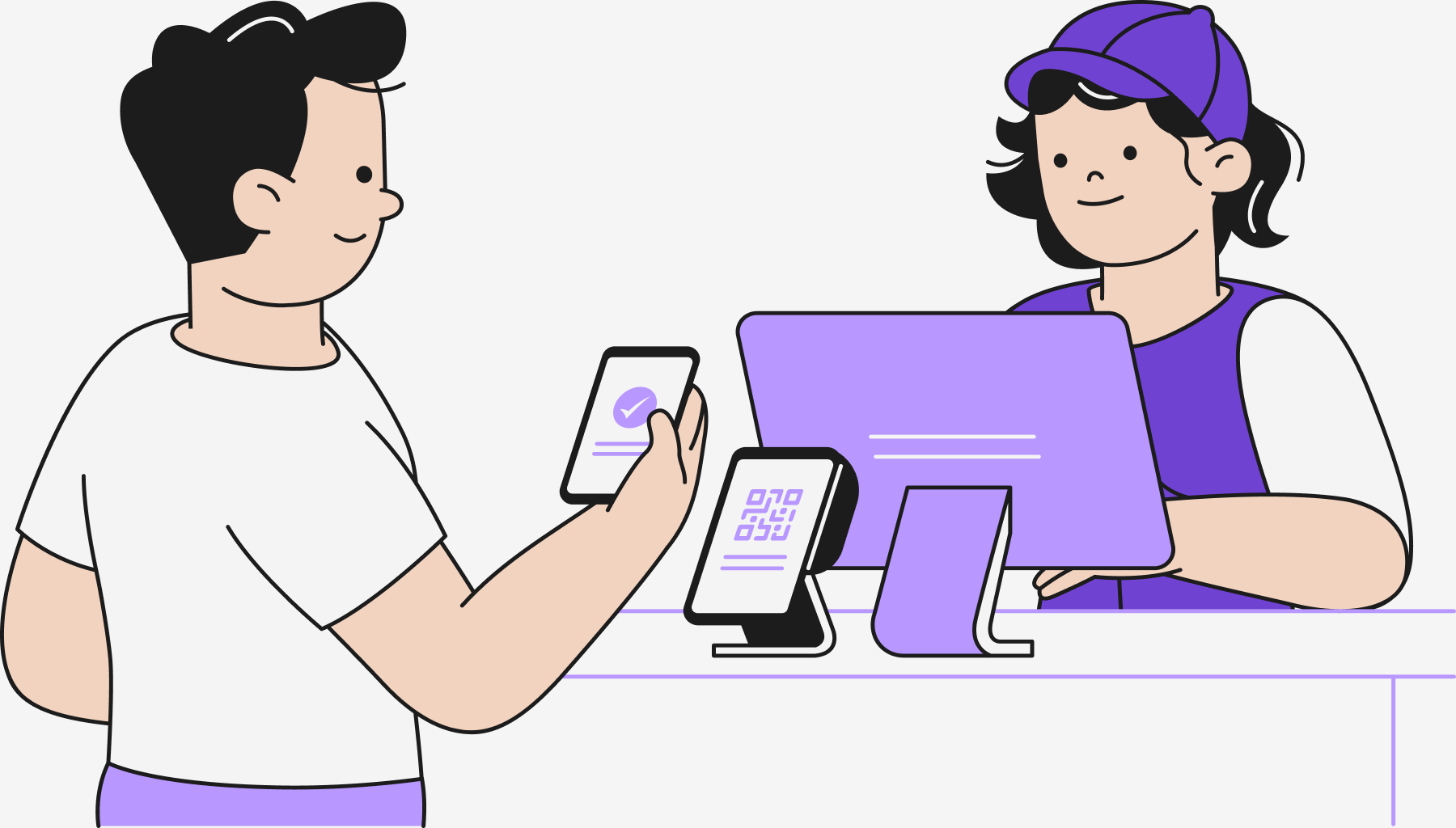
A wallet-based payment is a transaction initiated directly from a customer’s crypto wallet. Instead of entering card details or signing in to a bank account, the customer connects a supported wallet, scans a QR code or follows a payment link. They then approve the transaction from their wallet.
The customer remains in control of the payment until they approve it. Once submitted, the transaction is sent to the relevant blockchain network for processing and confirmation.

What Happens During Checkout?
Although the exact experience depends on the device, wallet and payment channel, a typical wallet checkout follows several steps.
1. The customer selects wallet payment
The customer chooses a wallet or crypto payment option alongside the other methods available at checkout. The payment option may appear on:
- an e-commerce website
- a mobile application
- an in-store point-of-sale device
- a QR-code checkout
- or a payment link
The aim is to make wallet payment feel like part of the normal checkout rather than a separate technical process.
2. The checkout creates a payment request
The payment system generates the information required to complete the transaction. This may include:
- the amount due
- the supported digital asset
- the blockchain network
- the destination
- the payment reference
- and the time available to complete the payment
The customer should not have to manually copy several pieces of technical information.
3. The customer connects or opens a wallet
Depending on the checkout, the customer may connect a browser wallet, open a mobile wallet through a deep link or scan a QR code.
The system must support the wallet connection method and the blockchain network selected for the transaction. Wallet compatibility matters because different customers use different wallets, devices and networks.
4. The customer reviews and approves the payment
The wallet shows the transaction details before approval. The customer should check:
- the amount
- the asset
- the blockchain network
- the destination
- and any network fee shown by the wallet
The payment cannot be initiated until the customer approves it.
5. The transaction is submitted to the blockchain
After approval, the transaction is broadcast to the relevant blockchain network. The time required to confirm the payment depends on several factors, including:
- the network being used
- network congestion
- the fee attached to the transaction
- the asset
- and the confirmation rules applied by the payment provider
Some blockchain transactions may confirm quickly, while others can take longer.
6. The payment system confirms the result
A merchant should not rely on a customer screenshot or a transaction reference alone. The payment system should monitor the blockchain and determine when the transaction has reached the required status. The merchant can then receive confirmation through:
- a payment dashboard
- an application programming interface
- a signed webhook
- or an integrated order-management system
This confirmation helps the merchant decide when to release goods, provide a service or mark an invoice as paid.
7. The merchant receives settlement
The asset used by the customer does not always have to be the same asset or currency received by the merchant.
A customer may pay using a supported digital asset, while the merchant receives settlement in a supported stablecoin or local currency, depending on market availability and the settlement arrangement. This separation is important.
It allows customers to pay with assets they already hold while giving businesses more control over how they manage treasury, accounting and cash flow.
Do Merchants Have to Hold Crypto?
Not necessarily. A business may choose to receive supported digital assets directly into a wallet it controls. But where local-currency settlement is available, the merchant may instead receive the proceeds through a supported settlement arrangement.
This means a merchant can make wallet payments available without necessarily operating as a crypto treasury business. The available options will depend on:
- the country
- the payment asset
- the settlement currency
- the settlement provider
- regulatory requirements
- and corridor availability
What About Chargebacks and Refunds?
Confirmed blockchain transactions generally cannot be reversed unilaterally in the same way that a cardholder may initiate a card chargeback.
But this does not mean merchants no longer need refund or dispute processes. Businesses should still have clear rules for:
- cancelled orders
- duplicate payments
- incorrect amounts
- customer complaints
- failed fulfilment
- and refunds
Where a refund is approved, the merchant or payment provider may need to initiate a separate outgoing transaction. The refund amount may also need to account for exchange-rate movements and blockchain network fees.
Are Wallet Payments Always Cheaper?
Not always. The cost of a wallet payment depends on several factors, including:
- the blockchain network
- network congestion
- the payment asset
- processing charges
- conversion costs
- and settlement fees
In some cases, wallet payments may reduce the number of intermediaries involved. But businesses should compare the full cost of the transaction rather than assuming every crypto payment will be cheaper than a card or bank payment.
How Stablezact Supports Wallet Checkout
Stablezact provides payment infrastructure for payment service providers, payment facilitators, travel companies, e-commerce platforms, marketplaces, enterprise merchants and other commerce businesses. Its infrastructure is designed to coordinate the components required for wallet checkout, including:
- wallet connectivity
- supported digital assets
- blockchain networks
- payment requests
- transaction monitoring
- checkout interfaces
- payment confirmation
- dashboards
- webhooks
- reconciliation
- and settlement through supported arrangements
Stablezact is designed as non-custodial payment infrastructure. Customer payments are initiated from the customer’s wallet and settled to a destination designated by the merchant, without Stablezact taking custody of the customer’s funds.
What Businesses Should Consider Before Adding Wallet Payments
Before going live, a merchant or payment provider should consider:
- Which customer wallets need to be supported?
- Which digital assets and blockchain networks will be accepted?
- How will the business receive settlement?
- How will payment confirmations reach the order system?
- How will finance teams reconcile transactions?
- What refund process will apply?
- Which compliance obligations apply in each market?
- How will wallet, dashboard and API access be secured?
Wallet checkout should be treated as payment infrastructure, not simply as a wallet address placed on a page.
Conclusion
Customers may already hold digital assets, but turning those assets into a reliable merchant payment requires more than a blockchain transaction. The checkout must connect the customer’s wallet to the merchant’s payment, fulfilment, settlement and reporting processes.
That is the layer Stablezact is building. Customers can pay from supported crypto wallets, while merchants and payment companies retain control over how they receive settlement, subject to the supported market and settlement arrangement.
To learn more about adding wallet-based payments to your checkout, visit Stablezact and book a product demonstration.
 Previous
